

Designed for safe, sustainable and low-energy printing, NEW PVC-free, High-opacity (HOP), Polypropylene film for pigment inks from Ikonos factory. The print production is a system of many elements creating final quality of the image. Therefore eco-friendly pigment ink systems demand high-quality lfp substrates.
Designed for safe, sustainable and low-energy printing, NEW PVC-free, High-opacity (HOP), Polypropylene film for pigment inks from Ikonos factory. The print production is a system of many elements creating final quality of the image. Therefore eco-friendly pigment ink systems demand high-quality lfp substrates.
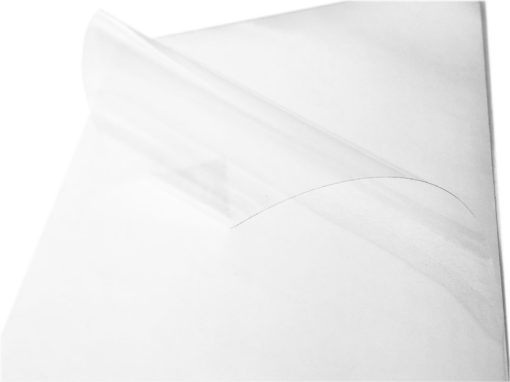
On the other hand, the demand for genuinely sustainable print production goes beyond the substrat — the ink system you choose plays a massive role in environmental impact. Designed to meet the highest eco-standards, Ikonos introduces Profiflex MRT PP100+ HOP Pigment, a 100% PVC-free, high-opacity film engineered specifically for water-based pigment inks as well as Latex and UV technologies.
Key Specifications
-
100% PVC-Free Construction: Crafted from eco-friendly polypropylene (PP) to eliminate toxic plasticizers.
-
100 μm High-Opacity (HOP): White, matt finish delivering excellent coverage and vibrant print outputs.
-
Pigment Ink Optimized: Fully compatible with water-based pigment systems, Latex, and UV printing technologies.
Safe Chemical Composition (Zero/Low VOCs):
Pigment inks use water as their liquid carrier to suspend microscopic color particles. They contain almost no Volatile Organic Compounds (VOCs) and release zero hazardous air pollutants (HAPs) or harsh chemical odors.
By contrast:
UV Inks contain reactive monomer and oligomer chemicals, along with photoinitiators, which can be skin irritants or hazardous in liquid state before curing. Older UV setups can also produce ozone gas if using mercury vapor lamps.
Latex Inks are water-based, but rely on suspended synthetic polymer resins (plastics) that must be melted to form the print coating.
Significantly Lower Energy Consumption:
Pigment inks require minimal heat or standard low-power air drying.
By contrast:
Latex printers require heavy internal radiant heaters to evaporate water and melt the latex polymers onto the media, leading to high electricity usage.
UV printers require continuous UV or UV-LED lamp illumination to trigger chemical polymerization, which uses more operational energy than simple pigment inkjet systems.
Minimal Waste & Consumable Replacement:
Pigment printheads are often permanent or long-lasting piezo heads that require minimal maintenance flushing.
By contrast:
Latex systems frequently treat thermal printheads as short-lived consumables, generating hardware waste over time.
Recyclability and Disposal:
Paper and textiles printed with water-based pigment inks are significantly easier to recycle or de-ink in municipal repulping systems.
By contrast:
UV prints leave a cured, plasticized acrylic layer bonded to the substrate that complicates recycling streams.

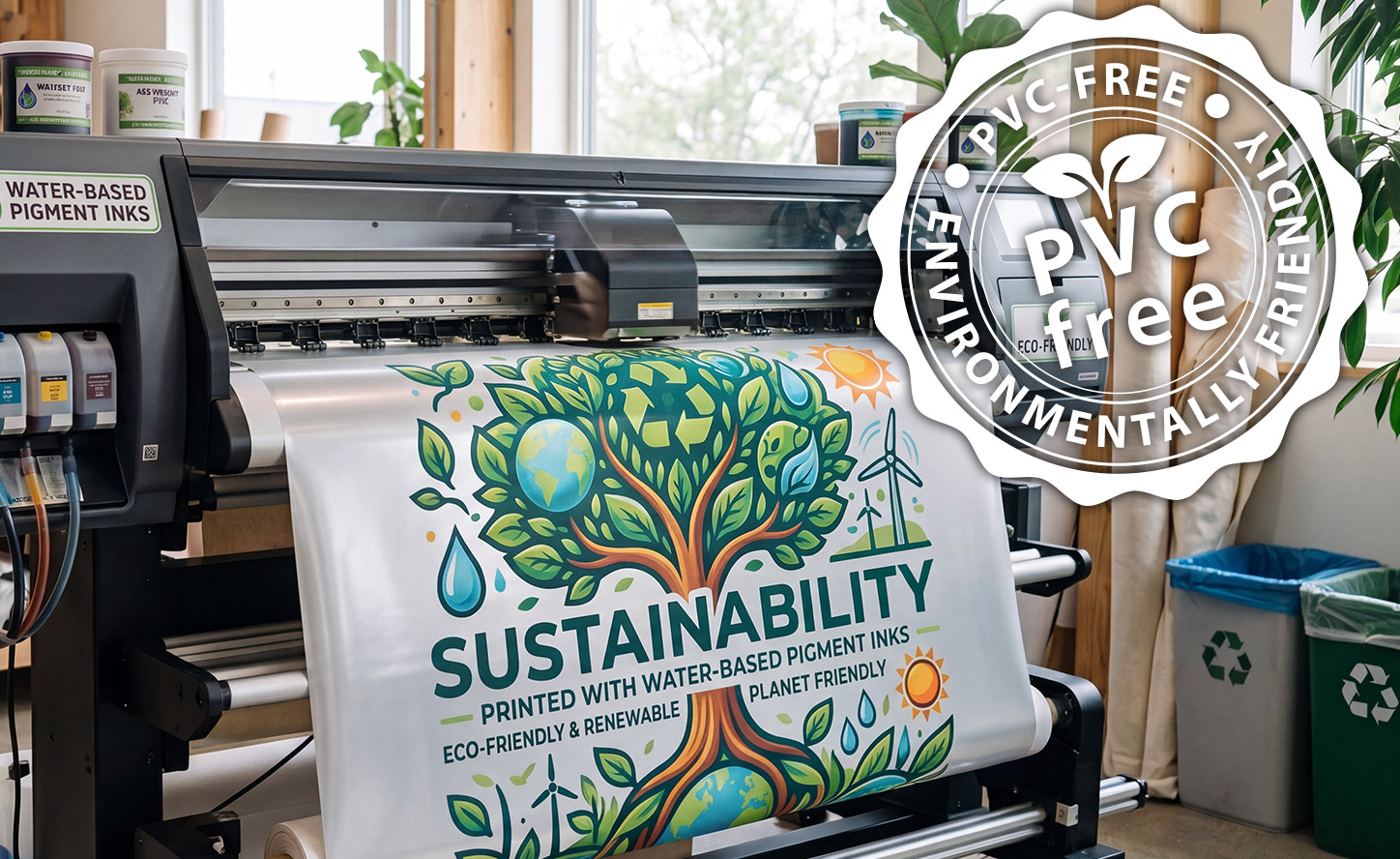
High-opacity film
PVC-free
recyclable
high resistance & durability
no shrinking | no curling
superb printing quality
made in EU
Is eco solvent printing really eco-friendly?
The eco solvent printing represents in fact eco-friendly technology. The ink's pigments production is the process of ether fractions extraction from refined mineral oil. Additionally, these inks are much safer in usage, because of a little odour. Secondly due to lower...
The paper for large inkjets – white back satin poster
The material is 130 grams heavy and it is suitable for most short-mid term printing jobs. First of all this paper for large format inkjets characterises with high water resistance. Due to original production technology it shortens the drying time. Its satin surface...
Polypropylene matt printing film with titan’s strength adhesive power
New Ikonos PP or polypropylene matt printing film 's name is MRT PP140+ Titan. It is the great alternative to its PVC equivalent. Above all the printed colours are vivid and bright. Secondly its durability is very high, no matter if it is indoor or outdoor. Its...
PVC-free Products